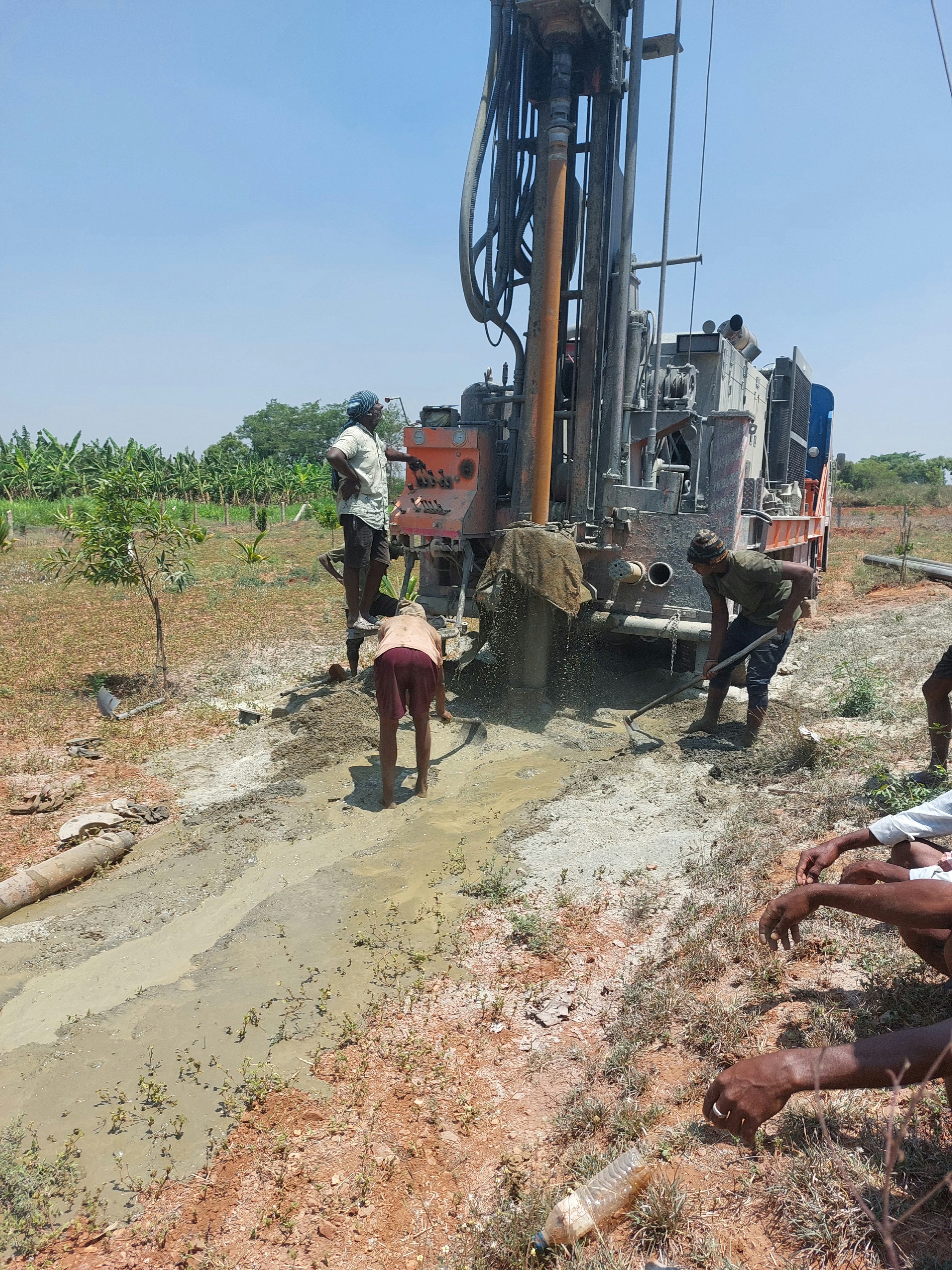
Understanding Borewell Drilling
Borewell drilling is a crucial technique employed to access underground water, particularly in areas where surface water is scarce. This method involves creating a deep, narrow hole in the ground, allowing users to tap into aquifers that hold groundwater. In regions like Hosur, where the demand for water is ever-increasing, borewell drilling serves as an essential solution for both residential and agricultural needs.
There are various types of borewells, primarily categorized based on their depth and the methods used for their creation. The most common types include shallow borewells, typically less than 50 meters, and deep borewells, which can reach depths of several hundred meters. The choice between these types largely depends on groundwater availability and the geological conditions of the area. Understanding these distinctions is vital for effective water access planning.
The drilling process itself involves several steps. Initially, a site is selected based on geological surveys and water table studies. Next, the necessary equipment is mobilized. Borewell drilling rigs, which can operate even in rough terrains, are essential for the process, as they provide the necessary torque and stability. The drilling is performed using a rotary drilling mechanism, where drill bits carve through rock layers, eventually reaching the water table. Once the borewell is completed, casing pipes may be installed to prevent collapse and ensure the longevity of the water source.
Selecting a qualified borewell driller is paramount to achieving optimal results. An experienced driller possesses the expertise to handle various geological formations and has access to the latest technology, ensuring efficient drilling and successful water extraction. The proficiency of the driller directly impacts the borewell’s yield and sustainability, making it essential to conduct thorough research and seek professional assistance when planning a borewell project.
Factors Influencing Borewell Drilling Costs
Borewell drilling costs in Hosur can vary significantly based on a multitude of factors that are pivotal to the overall pricing model. One of the primary elements influencing these costs is the type of soil present at the drilling site. Different soil compositions, such as clay, sand, or rocky soil, require varying amounts of effort and specialized equipment, which can directly impact the expenses incurred. For instance, drilling through rocky terrain generally necessitates more advanced machinery and additional time, thereby increasing the overall cost per footage drilled.
Another critical factor is the depth of the borewell. As a general rule, deeper borewells require more resources, increased drilling time, and additional equipment, all of which contribute to higher costs. The cost per foot tends to escalate with added depth, primarily due to the greater challenges posed by geological conditions encountered at greater depths. Thus, assessing the required depth before initiating drilling is essential for accurate budgeting.
The diameter requirements of the borewell also play a significant role in determining costs. Larger diameter borewells necessitate more rigorous drilling processes and materials, which can further raise the total expenditure. Additionally, the complexity of the drilling site, including access challenges and the presence of existing infrastructure, can affect the time and resources needed for the project. Sites that are hard to reach may incur higher mobilization costs for machinery and labor.
By understanding these key factors—soil type, depth, diameter, and site complexity—individuals can better gauge the potential expenses associated with borewell drilling in Hosur. This understanding assists in setting realistic budget expectations and selecting the appropriate drilling services, ultimately leading to a more informed decision-making process.
Average Prices per Foot for Borewell Drilling in Hosur
Borewell drilling has become an essential service in Hosur, especially with the increasing demand for water supply in domestic and agricultural settings. Understanding the average cost of borewell drilling in this region is crucial for homeowners and businesses alike. The pricing structures can differ significantly based on a number of factors, including the depth of the borehole, the type of drilling equipment used, and specific local geological conditions.
Typically, the average price per foot for borewell drilling in Hosur ranges between ₹50 to ₹150, depending on these variables. For instance, shallow borewells (up to 100 feet) may be priced lower whereas deeper borewells can command higher rates per foot, sometimes reaching up to ₹200 or more. Additionally, the nature of the terrain can greatly influence costs; rocky or difficult terrains often require specialized machinery and more labor, contributing to increased expenses.
When considering borewell drilling, it is advisable to obtain estimates from multiple borewell drillers in Hosur. Many service providers may also offer package deals that include drilling, casing, and even pump installation. Utilizing comparison charts can simplify this process, allowing potential clients to assess prices at a glance. It is also beneficial to have a clear understanding of the quotation provided, ensuring all components of the service are broken down transparently.
Negotiation is a key element in securing a favorable price for borewell drilling services. Clients are encouraged to discuss various aspects with contractors, such as bulk discounts for additional boreholes or off-season pricing benefits. Ultimately, thorough research and communication can lead to better outcomes and satisfaction with the chosen service provider. It is essential to make informed decisions based on expert advice and local assessments to ensure optimal results.
Essential Requirements for Borewell Drilling
Borewell drilling is a multifaceted process that necessitates a comprehensive understanding of various requirements to ensure success and compliance with regulatory norms. One of the foremost essentials is obtaining the necessary permits. In many jurisdictions, drilling a borewell requires permission from local authorities or regulatory bodies. This process often involves submitting a detailed proposal outlining the intended location, depth, and purpose of the borewell. It is imperative to ensure all paperwork is meticulously completed to avoid penalties or delays.
Another critical consideration is conducting a hydrogeological survey. This survey enables drillers to understand the underground water table, the type of geology encountered, and the depth at which water can be found. Engaging experienced professionals for this assessment is vital, as they can provide insights on water quality and quantity, which influences the borewell’s efficiency and longevity. Furthermore, the timing of the drilling is essential. Seasonal factors affect groundwater levels; hence, drilling during the right period, often post-monsoon, can yield better results in terms of water accessibility.
Safety and environmental considerations also warrant attention. Drillers must adhere to stringent safety standards to protect both the workforce and the environment. This includes using appropriate safety gear, following best practices during drilling, and minimizing environmental disruption. Responsible borewell drilling also entails managing waste generated during the drilling process and preventing contamination of surrounding water sources. By keeping these essential requirements in mind, individuals or organizations can enhance the efficacy of their borewell drilling activities while contributing positively to water resource management in Hosur.